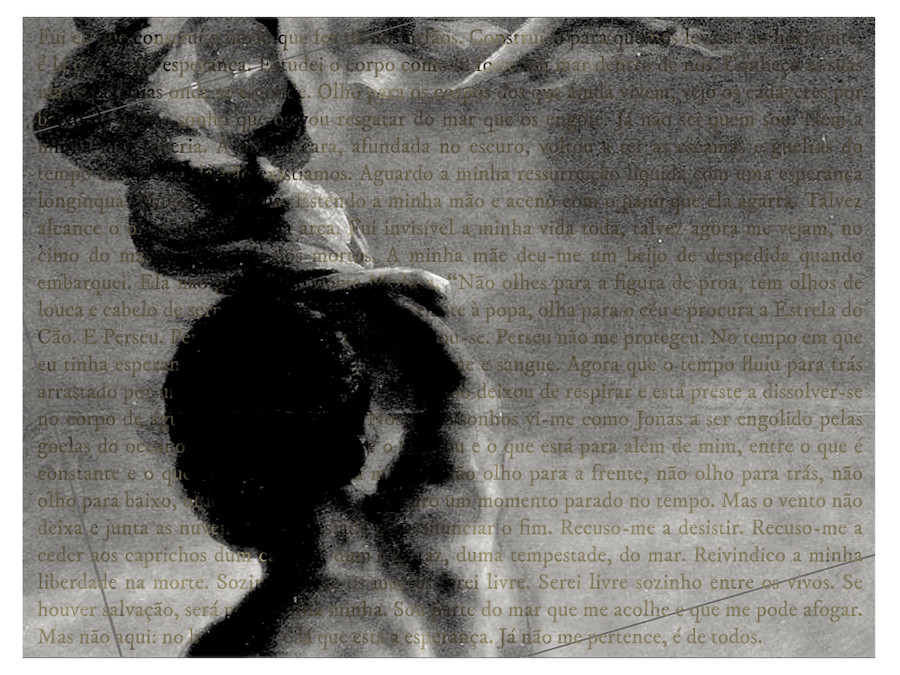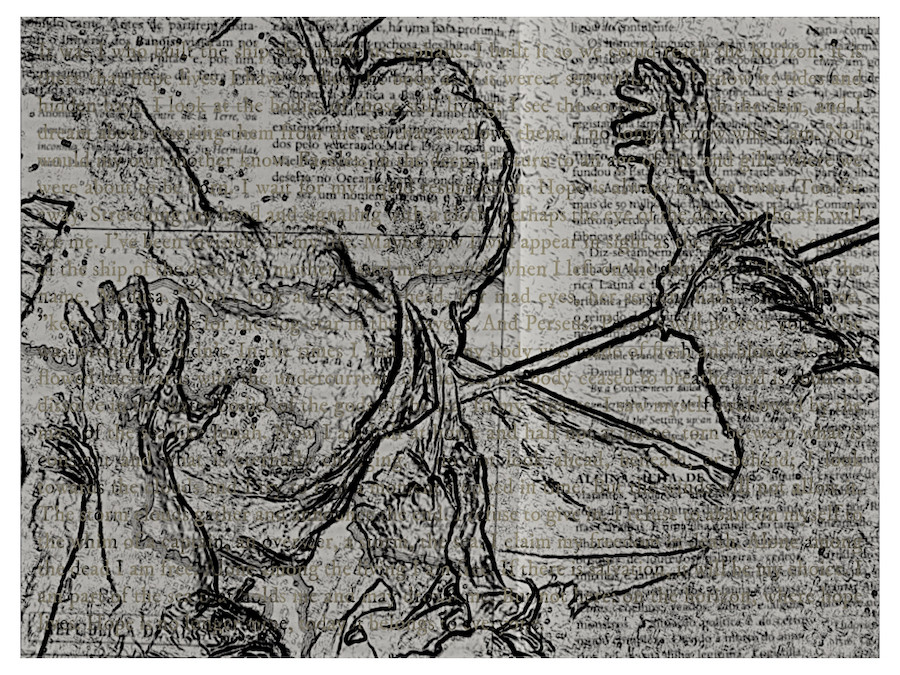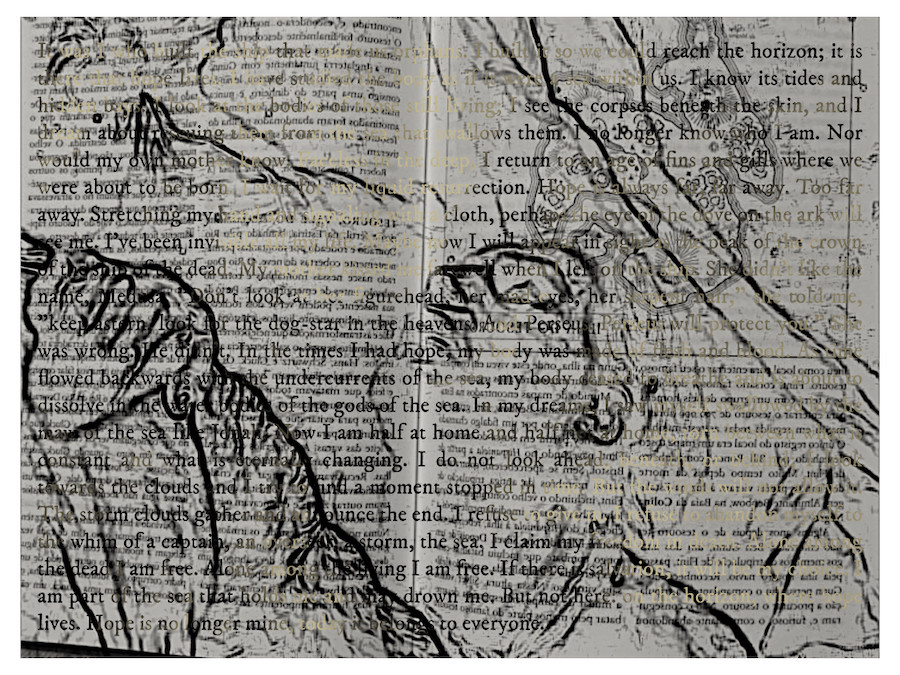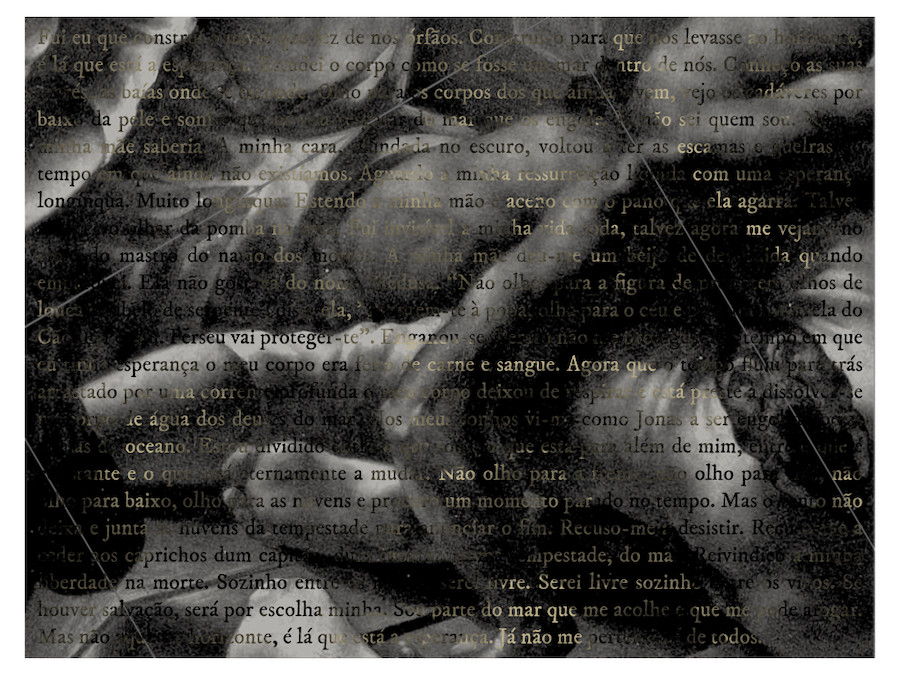
In October, Cartografia Sonora Imaginária (CSI) will travel to Prague, to be part of the Festival of Arts Literature and Learning. It will be one the events of the opening of DOX’s exhibition Argus & Medusa: On Hope in Dark Times, in which contemporary artists have reinterpreted Théodore Géricault’s iconic painting The Raft of the Medusa (1816–1819). CSI intends to reverberate with the wailing call for hope, compassion, and humanity that issues from the painting, the entire exhibition, and the FALL festival.
Géricault’s painting is full of imaginary sounds, as are the works of the artists whom the painting has inspired. CSI in Prague will enter into dialogue with other sounds and images that reflect both the darkness of our times and, above all, the moment of hope that Géricault decided to capture in his painting – that same hope that Václav Havel saw as a “state of mind”, an imaginary landscape that transcends the immediate experience of the real world. Perhaps the same hope that led Saramago to imagine is own raft, “The Stone Raft” “a mass of stone and earth, covered with cities, villages, rivers, forests, factories, wild scrubland, cultivated fields, with its people and animals” that separated the entire Iberian Peninsula from the European continent, transforming it into “a large floating island, moving without oars, sails, or propellers towards the South of the world”, an utopian vision, a poetic and political statement: “Europe, as a whole, should move south in order to, in redress of its ancient and modern colonial abuses, help to balance the world. That is, Europe finally as ethics.