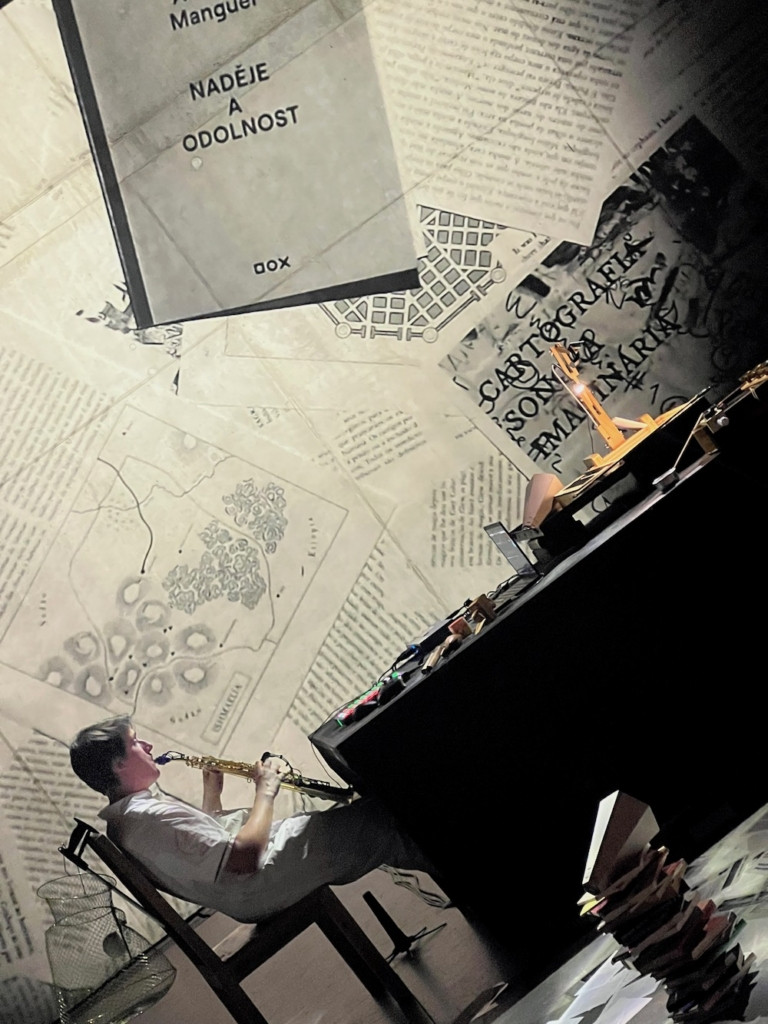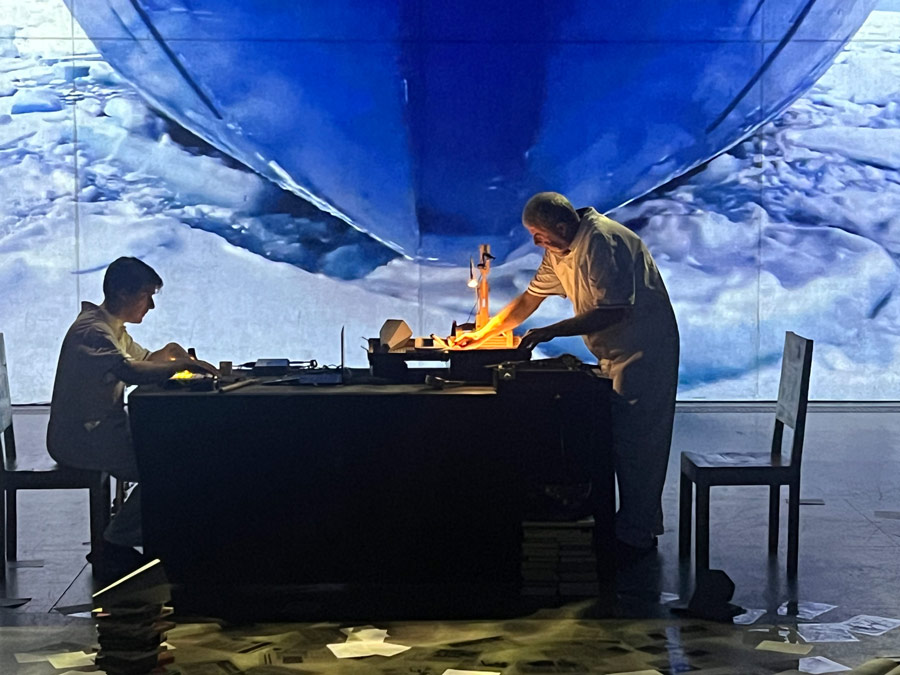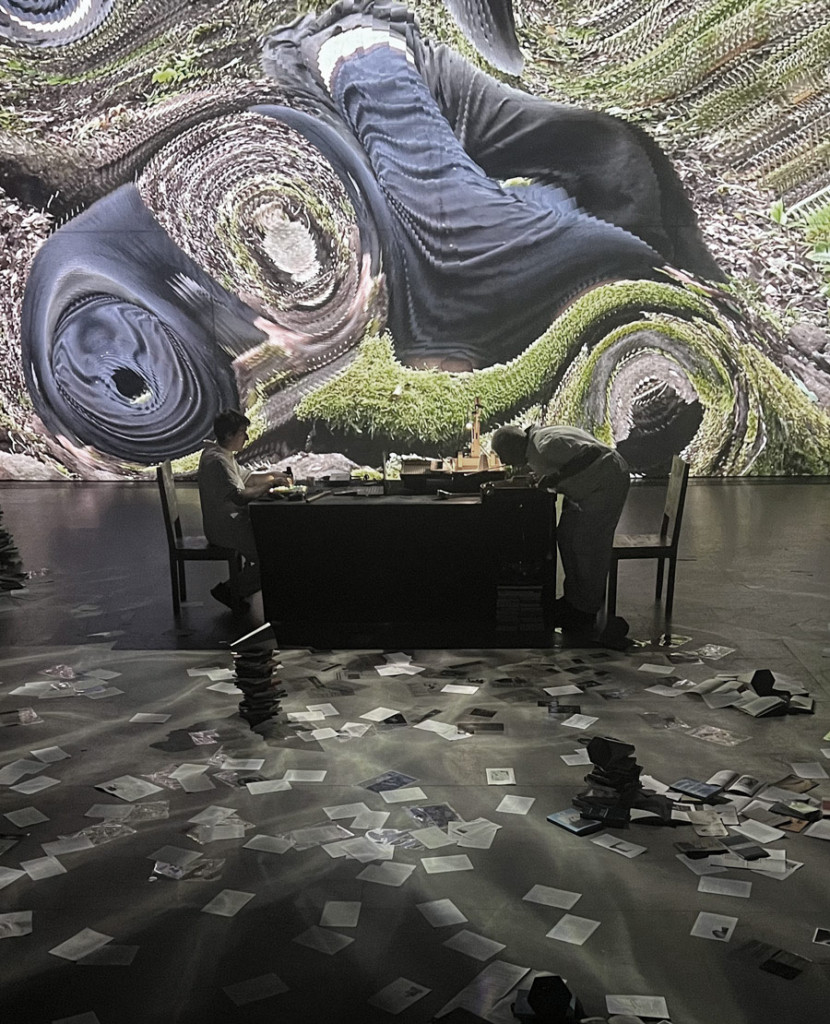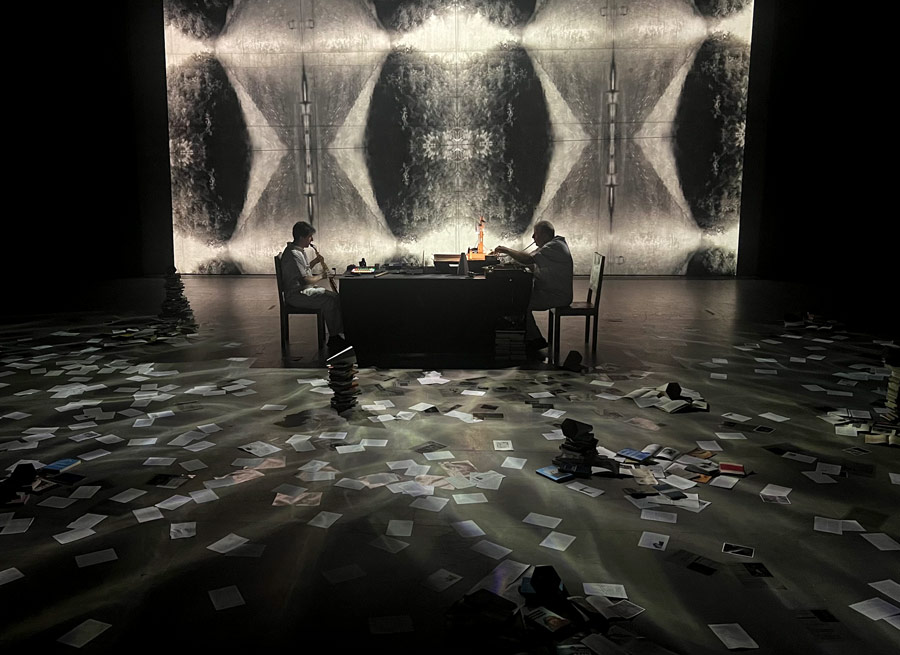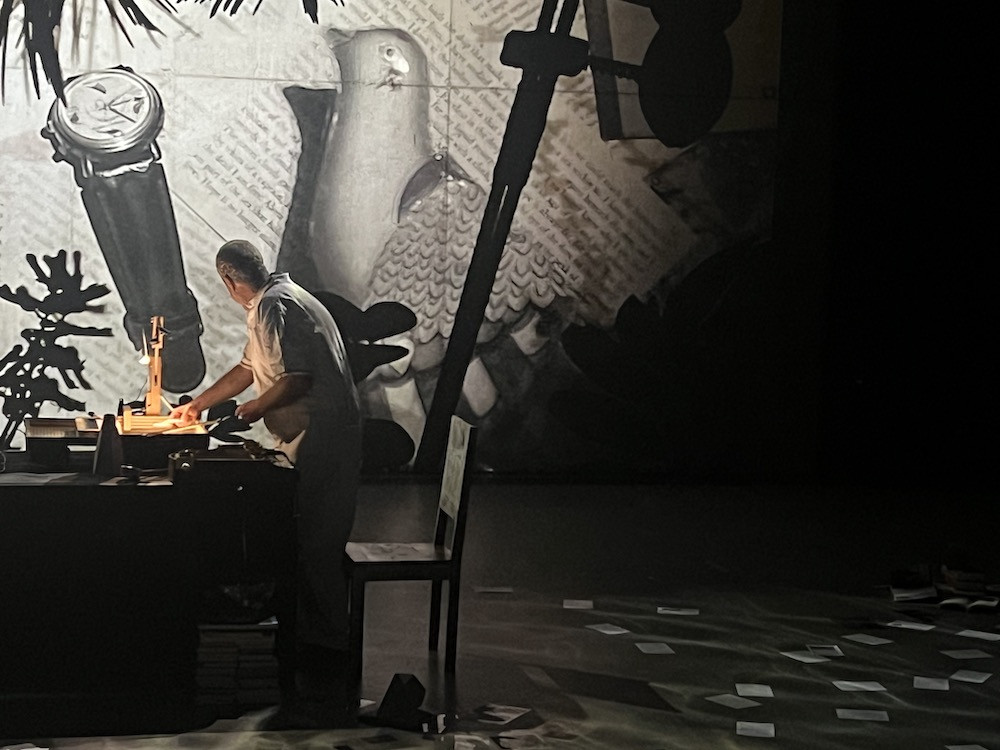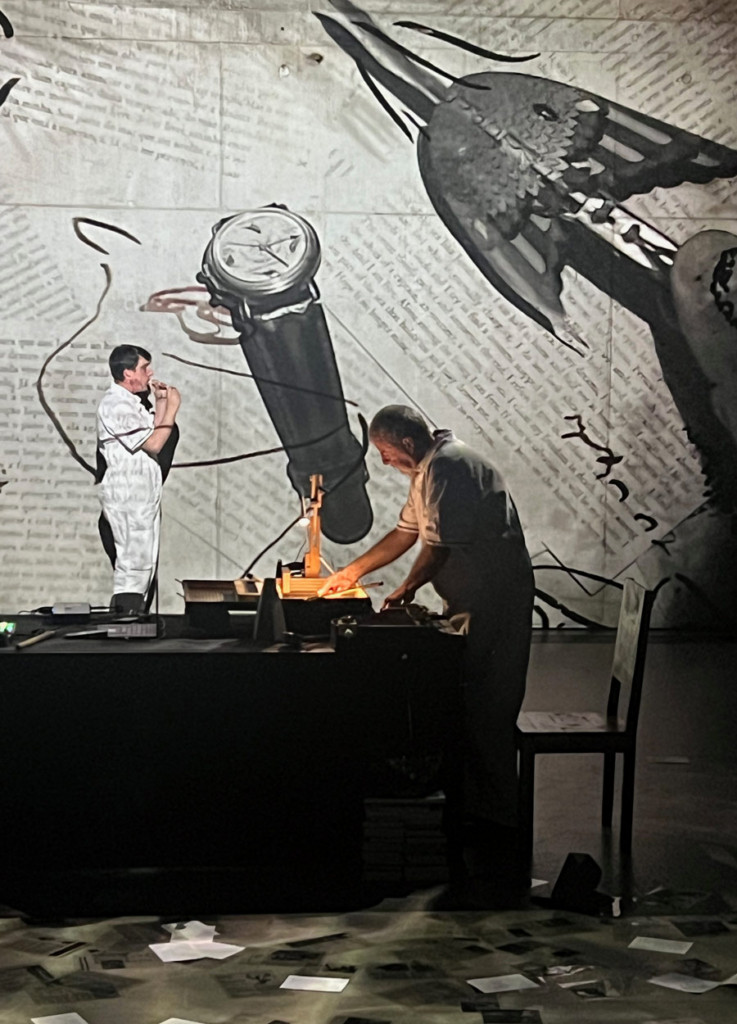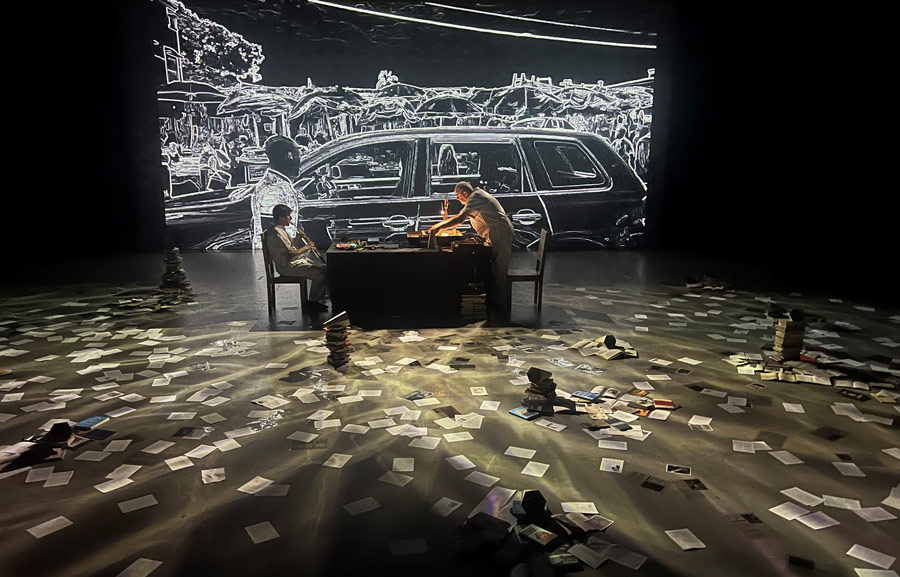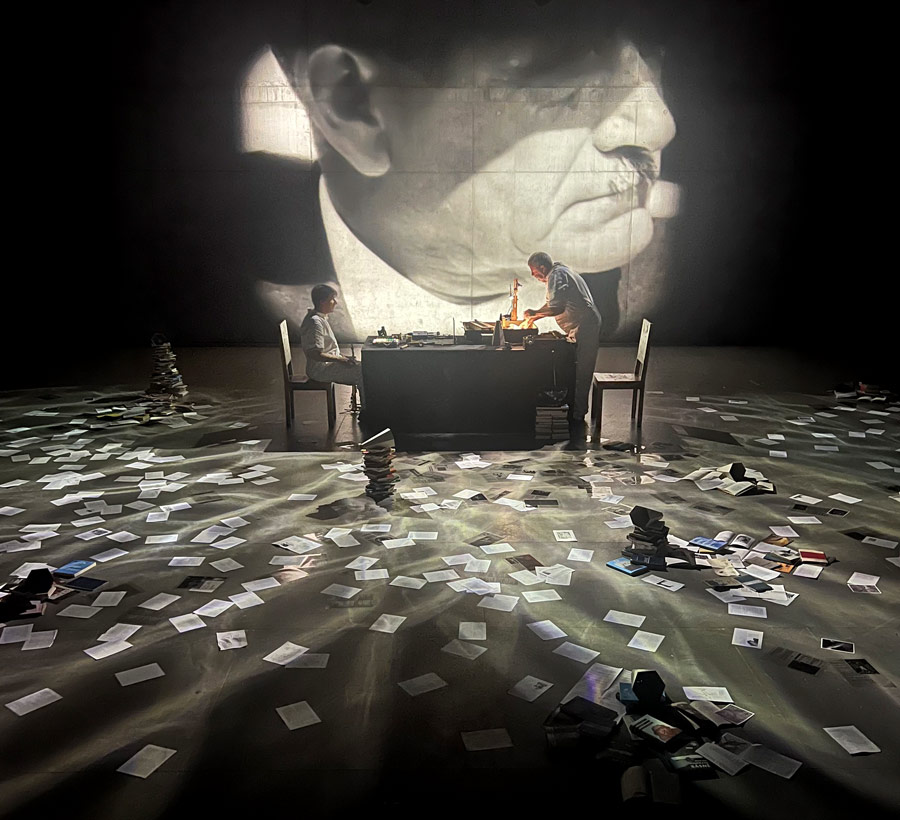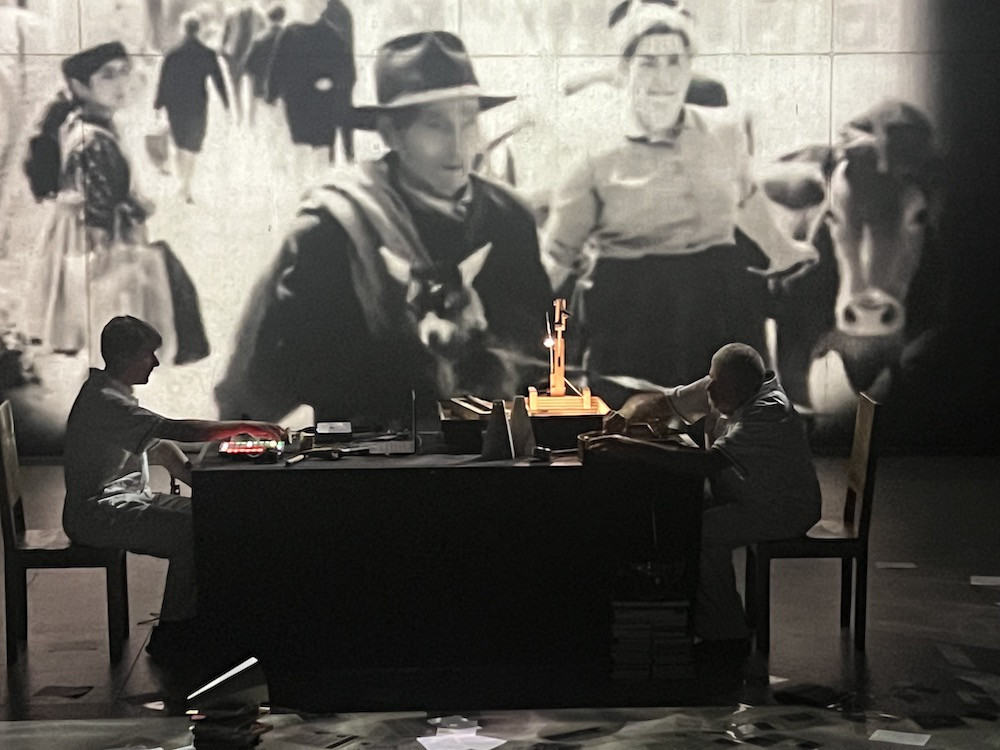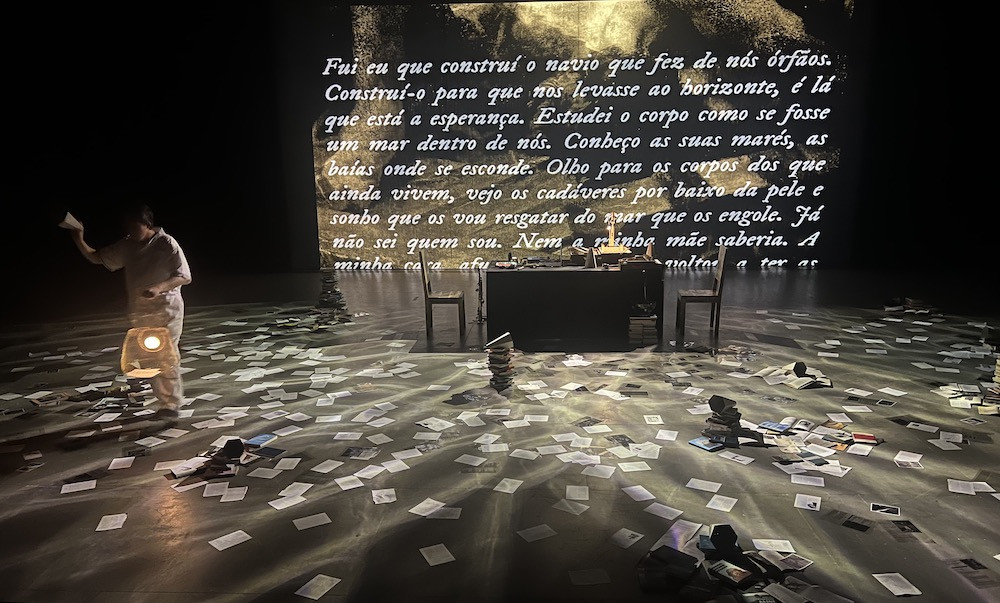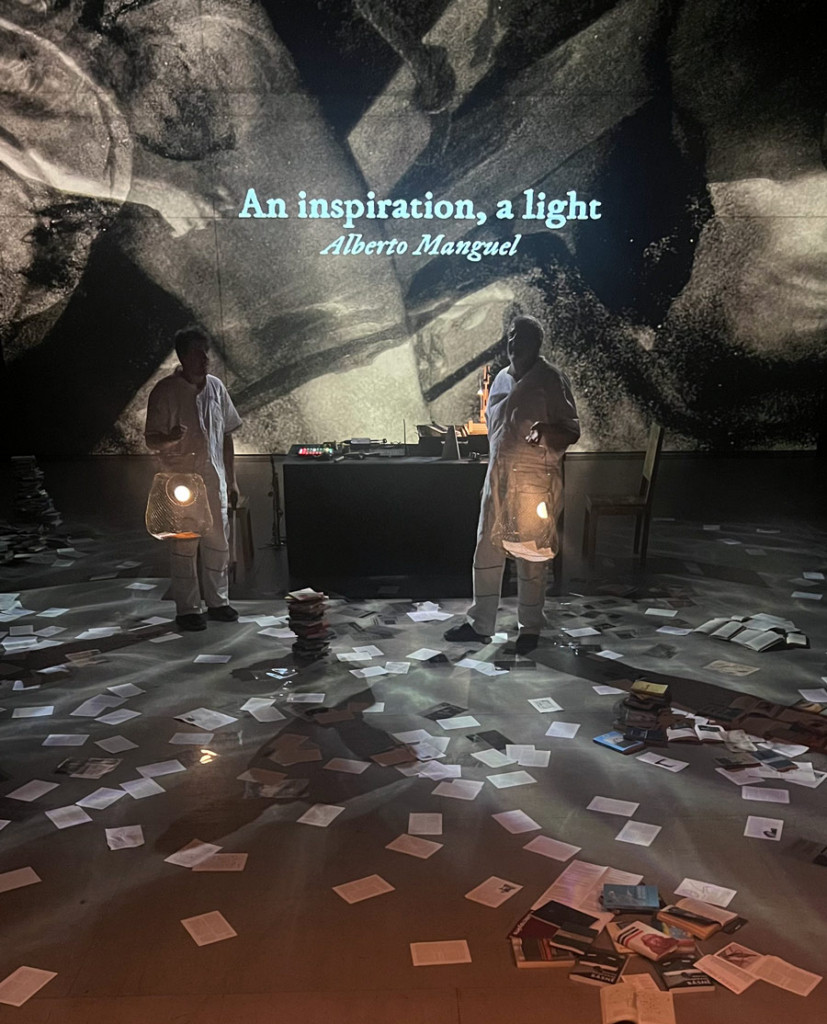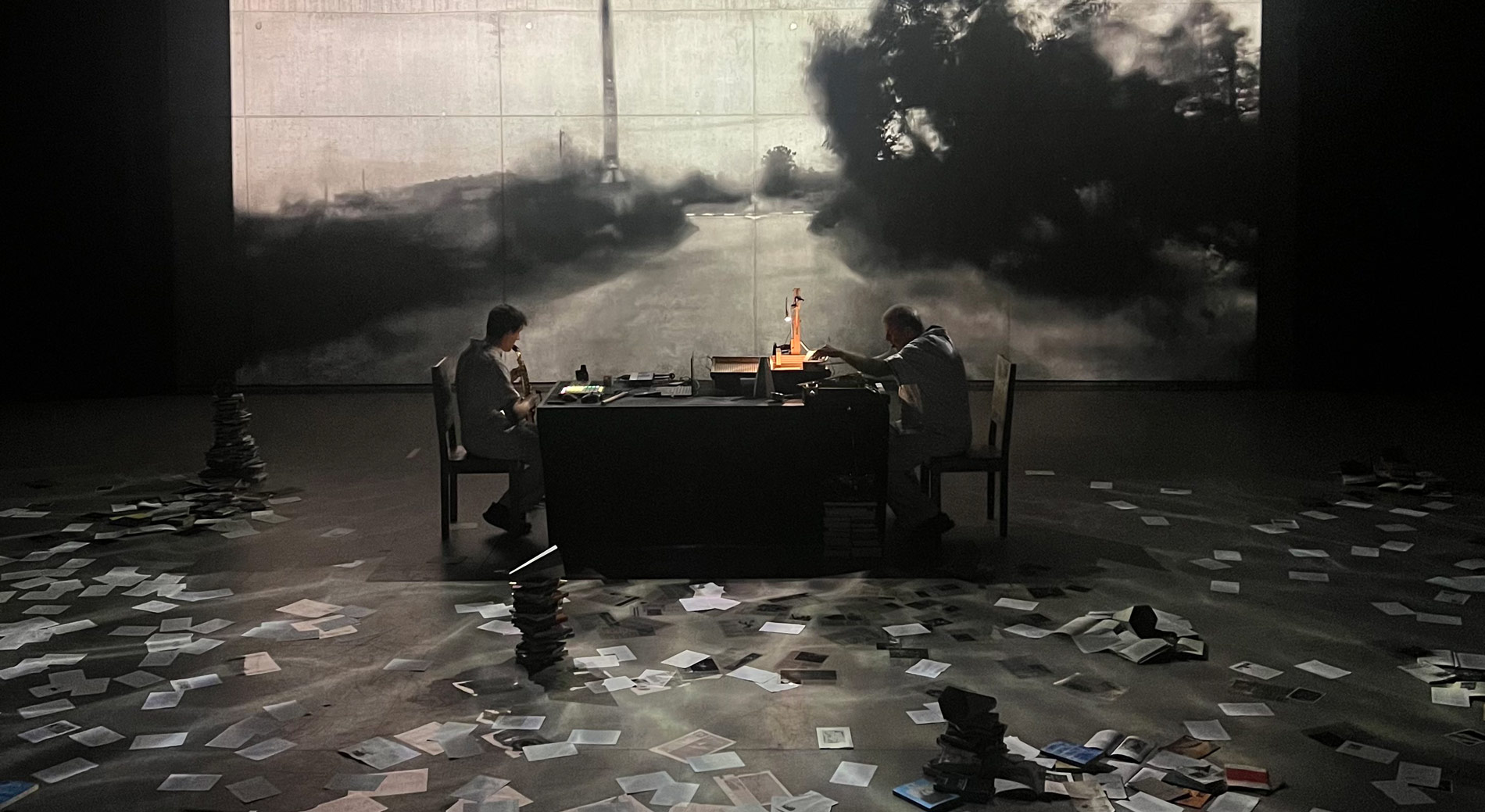
Prague’s Cartografia Sonora Imaginária left us with profound resonances. The DOX, Centre for Contemporary Arts is an inspiring space, and the Festival of Arts, Literature and Learning (FALL) is an eclectic and “polyphonic” proposal where languages and voices of visual artists, musicians, writers, poets, and philosophers from various countries intersect. This year’s edition was marked by the opening of the exhibition Argus & Medusa: On Hope in Dark Times, which brings together contemporary reinterpretations of Théodore Géricault’s iconic painting The Raft of the Medusa and creates a territory of sharing and dialogue that is built through various carefully programmed initiatives. Vaclav Havel’s figure inspires an ethical sense that is reflected in the smallest details, and it was in this context that the CSI Prague sought to reverberate the appeal for hope, compassion, and humanity that emanates from the painting, the entire exhibition, and the rest of the FALL festival program.
The CSI Prague was built upon the initial principles but summoned additional ideas, voices, and images. Alberto Manguel gave us the pleasure of sharing some of the imaginary voices that Géricault’s painting “whispered” to him, and these words took on a life of their own, inhabiting the voices and languages of some friends and friends of friends. A new “sound tapestry” weaved with delicate threads in Portuguese (from Portugal and Brazil), Spanish, French, Danish, Norwegian, Slovenian, Czech, English, Esperanto, Latin, Flemish, Serbian, and Italian joined other fabrics made of the voices of cicadas and frogs, icebergs, toy birds, toy pianos, pianoscopes, soprano saxophone, melodica, and many other human voices that flourished in projects such as Com Palavras Amo, Ur_Gente, or O Céu Por Cima de Cá. Our (digital) “reading” of Géricault’s painting intersected with the moving images that already inhabited CSI and with those we created in real time, and the result was “mesmerizing,” as we were told. We were told other very beautiful things, but above all, the feeling remained that we were part of a whole, a state of mind, a space of “tuning people, birds and flowers”.